
How Local Tow Truck Companies Ensure Safety and Efficiency for Your Vehicle
Understanding the critical role local tow truck companies play in maintaining the safety and efficiency of vehicle recovery and transportation is crucial for both vehicle owners and the broader community. These companies provide timely assistance and play a pivotal role in road safety and vehicle security. According to the National Insurance Crime Bureau (NICB), licensed tow truck operators reduce the risk of vehicle theft by up to 50% due to background checks and regulatory compliance. With the increasing complexity of vehicles and traffic systems, the need for professional towing services has never been more pronounced. Local tow truck companies bridge the gap between vehicle owners and safety, ensuring that cars are transported securely and efficiently. This article explores various facets that contribute to their effective operation.
Comprehensive Training Programs
Initial Certification Requirements
Local tow truck companies prioritize comprehensive training programs to ensure their operators are well-equipped to handle diverse situations. Initial certification requirements typically involve rigorous coursework and practical training. Operators are educated on the technical aspects of towing, including vehicle types, towing methods, and safety protocols. This initial phase is crucial as it lays the groundwork for understanding how to manage challenging scenarios. By adhering to these standards, companies ensure that their staff is capable of providing safe and efficient services.
On-the-Job Training
On-the-job training complements formal certifications by providing real-world experience. Tow truck operators learn to adapt to various environments and situations, from urban centers to rural roads. This hands-on experience is invaluable for developing quick problem-solving skills and ensuring that operators remain calm under pressure. Moreover, on-the-job training helps reinforce the importance of safety measures, ensuring that operators consistently apply what they've learned. This dual approach of theoretical knowledge and practical experience ensures a high level of competency among tow truck operators.
Safety Protocol Workshops
Safety protocol workshops are a cornerstone of training programs, emphasizing the importance of safety for both the operators and the vehicles they handle. These workshops cover a wide range of topics, from personal safety gear to vehicle stabilization techniques. Operators learn to assess potential hazards and apply appropriate safety measures to mitigate risks. Such workshops also highlight the importance of adhering to local and federal regulations, ensuring that local tow truck companies remain compliant. This focus on safety not only protects the operators but also instills confidence in the customers they serve.
Advanced Equipment and Technology
Modern Tow Trucks
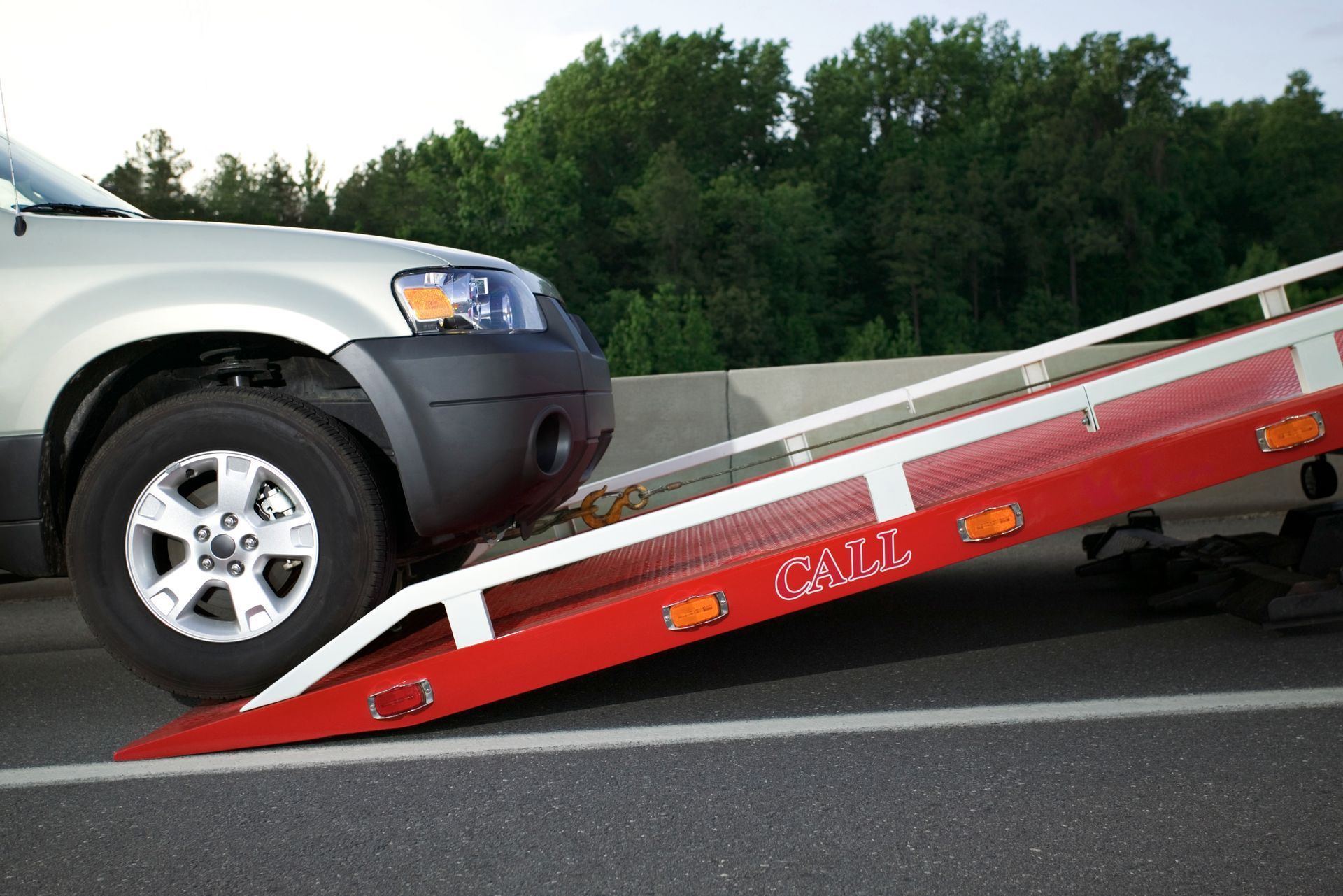
Modern tow trucks are equipped with advanced features that enhance safety and efficiency. These vehicles are designed to handle a wide range of towing scenarios, from small cars to large trucks. The integration of hydraulic systems and reinforced frames ensures that tow trucks can support substantial weights without compromising stability. Additionally, modern tow trucks come with safety features such as anti-lock brakes and stability control systems. These advancements not only improve the safety of the towing process but also enhance operational efficiency.
GPS and Tracking Systems
GPS and tracking systems have revolutionized the towing industry by providing real-time location data and route optimization. These technologies enable tow truck operators to reach their destinations more quickly and efficiently. By reducing travel time, companies can respond to emergencies faster, minimizing inconveniences for their clients. Furthermore, GPS systems enhance safety by allowing operators to avoid traffic congestion and hazardous areas. This technology also aids in vehicle recovery, as licensed operators can monitor the location of towed vehicles, reducing the risk of theft.
Vehicle Stabilization Tools
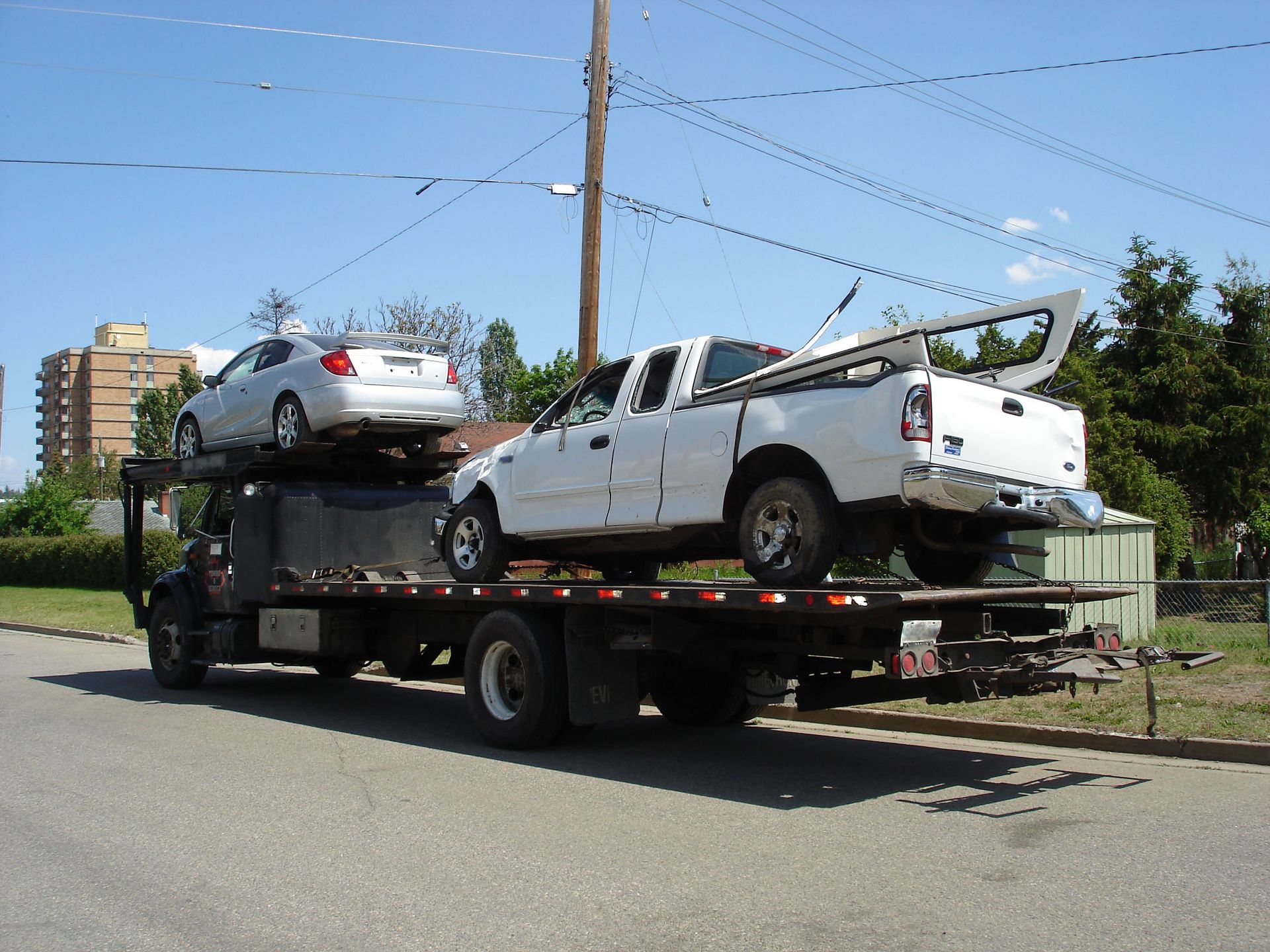
Vehicle stabilization tools are essential for ensuring the safe transportation of vehicles. These tools, such as wheel chocks and tie-down straps, prevent vehicles from shifting during transit. By securing vehicles properly, tow truck operators minimize the risk of damage and improve safety for other road users. The use of stabilization tools is especially important when transporting vehicles over long distances or challenging terrains. By prioritizing stabilization, local tow truck companies demonstrate their commitment to delivering vehicles safely and efficiently.
Adherence to Safety Regulations
Understanding Local Laws
Understanding laws is crucial for local tow truck companies to operate legally and efficiently. These laws dictate various aspects of towing operations, from licensing requirements to parking regulations. By adhering to local laws, companies can avoid legal issues and maintain their reputations. Additionally, compliance with local regulations ensures that companies operate in a manner that prioritizes safety and efficiency. This understanding of local laws is a testament to the industry's commitment to professionalism and responsibility.
Compliance with Federal Standards
Compliance with federal standards is another critical aspect of tow truck operations. These standards set guidelines for vehicle safety, environmental impact, and operational procedures. By following federal standards, companies ensure that their operations align with national safety and environmental goals. Compliance with these standards also instills confidence in clients, as it demonstrates a commitment to delivering high-quality services. This adherence to federal regulations is a key factor in the industry's ability to provide safe and efficient towing services.
Regular Safety Audits
Regular safety audits are essential for maintaining high standards of safety and efficiency. These audits involve comprehensive assessments of company operations, equipment, and procedures. By conducting regular audits, companies can identify areas for improvement and implement necessary changes. This proactive approach ensures that companies remain compliant with safety regulations and continue to deliver reliable services. Regular safety audits underscore the industry's commitment to continuous improvement and customer satisfaction.
Efficient Response Strategies
Dispatch Systems
Efficient dispatch systems are critical for ensuring timely and effective responses to towing requests. These systems use advanced technology to receive and process requests, assign tasks to operators, and track their progress. By optimizing dispatch processes, companies can minimize response times and improve customer satisfaction. Additionally, efficient dispatch systems enable local tow truck companies to manage their resources more effectively, ensuring that operators are available when needed. This focus on dispatch efficiency reflects the industry's commitment to delivering prompt and reliable services.
Emergency Response Protocols
Emergency response protocols are essential for managing urgent towing situations, such as accidents or breakdowns. These protocols outline the steps that operators should take to ensure safety and efficiency during emergencies. By implementing clear and comprehensive emergency response protocols, companies can minimize risks and provide effective assistance to clients. This focus on emergency preparedness enhances the industry's ability to handle challenging situations and maintain high standards of service. Ultimately, it underscores the industry's dedication to protecting both its clients and operators during emergencies.
Route Optimization
Route optimization is a key strategy for improving the efficiency of towing operations. By using advanced software and GPS technology, companies can determine the most efficient routes for their operators. This approach minimizes travel time, reduces fuel consumption, and enhances customer satisfaction. Additionally, route optimization enables companies to respond more quickly to towing requests, improving their overall service delivery. This focus on route efficiency reflects the industry's commitment to providing timely and cost-effective solutions for its clients.
Local tow truck companies play an indispensable role in ensuring vehicle safety and operational efficiency while fostering community trust and environmental responsibility. Through comprehensive training programs, advanced equipment, adherence to safety regulations, efficient response strategies, customer service excellence, and community impact initiatives, these companies demonstrate their commitment to providing exceptional services. As the industry continues to evolve, the dedication to safety, efficiency, and sustainability remains a top priority, ensuring that tow truck companies continue to meet the needs of their clients and communities effectively. For professional service you can rely on, contact Miles Towing today to get back on the road safely and efficiently.


Share On: